
The snuff & pouch journal
Recipes
Blend, customise or make snuff from scratch. Every recipe is graded and written step by step.
Browse by scent family
Four ways to make snuff
158 recipes
Three-snuff Indian house blend
BeginnerA simple all-day mix of three 6 Photo snuffs, with the Natural doing most of the work and the other two adding strength and scent.
Winter berry house blend
BeginnerA festive mix built on an equal-parts base and finished with small amounts of three scented snuffs. Make it in small batches and stop as soon as it tastes right.
Citrus SP from Viking Blonde
BeginnerViking Blonde is mild on its own. Adding about a third as much Queens Extra Strong gives it more body, and the Blonde's citrus aroma carries further in the mix.
Equal-parts family blends: fruit, SP and toast
BeginnerTake every snuff you own of one style and mix them in equal parts. The result is often better than any single tin, and it improves with age.
Classic Bordeaux-style blend
BeginnerOld-style Bordeaux snuff was gentler and less perfumed than many modern versions, and was made by mixing a Princes with an SP. This recreates the idea with Wilsons snuffs.
Fruit punch and chocolate-vanilla mixes
BeginnerTwo easy blends: a busy mixed-fruit snuff that mellows as it settles, and a simple chocolate and vanilla mix.
Brandy, berry and cool menthol blend
BeginnerThree shop-bought snuffs combined for fruit, a brandy note and a light cooling finish.
Strong Scotch booster blend
BeginnerWillie Pete is too fierce for most people on its own, but a small share adds a lot of strength to a milder Scotch snuff.
Princes and Queens everyday blend
BeginnerA simple, long-loved mix of two English snuffs that's easy to take every day.
Big-batch chocolate toffee everyday blend
BeginnerA large everyday blend of five snuffs, with chocolate and coconut toffee over a sweet Scotch base.
Lightly scented plain snuff
BeginnerKeep a plain snuff in bulk and give it a light scent by mixing in a share of a strongly scented one.
Clean, cool everyday base
BeginnerAn everyday base with a little chocolate, smoky Latakia and a trace of menthol, for a clear, open feel.
Peanut, bergamot and brown blend
BeginnerA quick blend of four snuffs, with a nutty scent sitting behind bergamot and a brown base.
Rose, Irish and Latakia blend
BeginnerA small-batch mix of four snuffs: a Princes base, a dry Irish snuff, rose and smoky Latakia.
Reviving a dried-out snuff with grapefruit and Cheeta
BeginnerA way to rescue a snuff that has dried out: soak it, let it loosen, then bring the moisture back with drier scented snuffs.
Two Wilsons rose blends
BeginnerTwo quick blends built on Wilsons Rose: one with Radford for depth, and one that adds Whisky and Honey.
Two lightly cooled SP blends
BeginnerTwo blends of shop-bought snuffs, each with a little menthol snuff for coolness without a strong menthol smell.
Stronger German blend with Scotch
BeginnerA little American Scotch snuff stirred into a German snuff for more strength and a darker scent.
Stretching a rare tin
BeginnerMake the last of a discontinued or hard-to-find snuff go further by mixing it half and half with a plain snuff of similar grind and moisture.
Strong whisky, honey and menthol micro-blend
BeginnerA tiny, very strong blend weighed out to the hundredth of a gram, with whisky, honey and a little menthol.
Soft lavender floral blend
BeginnerA floral blend made from two Toque snuffs, for a gentle English-style lavender.
Lightly scented everyday SP
BeginnerA mild, easy snuff for every day: a plain base with just enough SP for scent and a little more lift.
Six-snuff floral garden blend
BeginnerA rich floral blend of six snuffs, built mostly on rose and vanilla, with lavender, violet and a cooling Alpine snuff.
White Elephant and SP everyday blend
BeginnerA simple two-snuff everyday mix: two parts Indian snuff to one part English SP.
Berry blend with camphor and clove
BeginnerA berry blend given a sharp, cooling edge with a camphor and clove snuff.
Gentle menthol from a menthol snuff
BeginnerYou need surprisingly little menthol snuff to give a plain snuff a soft, cool edge. No crystals or oils required.
Two cooled schmalzler blends
BeginnerTwo ways to give a German schmalzler a fresh, cool lift, both built on Pöschl Perlesreuter.
Extra-strong menthol summer blend
BeginnerA half-and-half mix of a very strong Indian snuff and a very strong menthol snuff. Only for experienced users.

Coffee and orange Kendal Brown
BeginnerKendal Brown scented with coffee, then mixed with an Indian snuff that has been scented with orange zest beforehand.
Lemon and mint refresher for old tins
BeginnerMix a few tired, dried-out tins together and freshen the lot with fresh lemon and a little moisture. The amounts are a rough guide.
A touch of licorice
BeginnerA very strongly scented licorice snuff goes a long way: a tiny amount turns a plain snuff into something sweet.
Smoky Latakia snuff
BeginnerGround Latakia pipe tobacco, which is smoke-cured, gives a Scotch-style snuff a campfire scent.
Eucalyptus lift for a tired menthol snuff
BeginnerA quick way to wake up a menthol snuff that has lost its edge, with a few drops of eucalyptus oil.
Strong menthol and eucalyptus, Hedges style
IntermediateA home version of the classic strong English menthol snuff, made at the same 4.5% menthol and 4.5% eucalyptus as the old formula.
Juniper and menthol toast blend
IntermediateThree shop-bought snuffs, lifted with juniper, eucalyptus, a touch of lavender and a little menthol.
Madras menthol and eucalyptus
BeginnerA simpler, cheaper route to a strong menthol and eucalyptus snuff, starting from an Indian Madras snuff.
Mild peppermint and menthol
BeginnerA gentle, sweet mint for anyone who finds pure menthol too sharp, using about the same small amounts found in flavoured pouches.
Juniper, camphor and menthol cooling blend
IntermediateA strongly cooling blend for a plain snuff, with juniper and small, measured amounts of camphor and menthol. The cool sensation sits high in the nose.
Make a schmalzler from a dry snuff
BeginnerSchmalzlers are moist, oiled German snuffs. You can turn a dry snuff into one with a little refined oil, clarified butter or ghee.
Salted, slow-cooked dark snuff
AdvancedA slow, low-heat method borrowed from snus-making that darkens and salts a snuff, aiming for something like a black rappee. Experimental, with a strong smell while it cooks.
Ghee-softened Madras
BeginnerA few drops of ghee turn a sharp Indian Madras snuff into something much softer and easier to take.
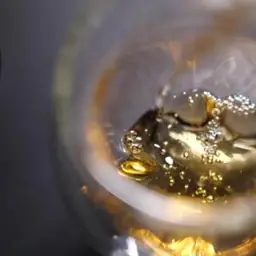
Moistening snuff with rum or whisky
BeginnerA splash of rum or whisky brings a dried-out snuff back to life, and adds a faint warm note.
Reviving a dried-out rustica
IntermediateThis brings a dried-out Russian rustica back to its original moisture of about 25%. The amounts are for 7.5 g of snuff.
Reviving a dry schmalzler with ghee
BeginnerWater won't bring back the soft texture of a dried-out schmalzler, because they're made with fat. A little ghee or clarified butter does the job.
Adding camphor with camphor spirit
IntermediateA measured way to give any snuff a camphor note, using camphor spirit from a pharmacy. It's sold at 2% and 10% strength; these amounts are for 10%.
Bergamot-scented Indian snuff
BeginnerOne drop of bergamot oil turns a plain Indian snuff into a light, classic citrus snuff.
Chilli-scented Scotch snuff
BeginnerAn unusual one: the snuff takes up a chilli aroma, and a little heat, from a sealed tub without the chilli ever touching it.
Chocolate and hazelnut revival for a flat schmalzler
IntermediateBring a schmalzler that has gone flat back to life with natural chocolate and hazelnut extracts and a splash of rum, then dry it slowly in a low oven. Try a pinch first and note what's missing.
Ginger-scented snuff
BeginnerGinger is easy to overdo, so this starts with a tiny amount and builds up slowly over a day or two.
Scenting with a herbal tea bag
BeginnerA slightly damp herbal tea bag sealed in with a Scotch snuff gives it a gentle aroma without hiding the tobacco.
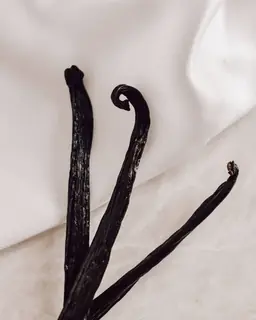
Homemade chocolate flavouring
BeginnerA simple cocoa and vanilla flavouring you can make in a cup. Baking-style flavourings like this carry well in snuff; orange and aniseed also work, while watery fruit flavours tend to fade.
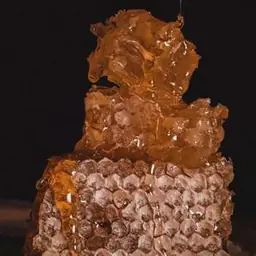
Honey powder snuff
BeginnerA dry way to add honey scent: granulated honey crushed to a fine powder and mixed in at a tiny ratio.
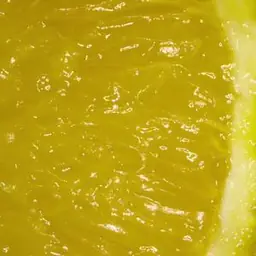
Hot toddy snuff
BeginnerA sweet snuff scented like a hot toddy, with fresh lemon zest and an optional splash of whiskey.
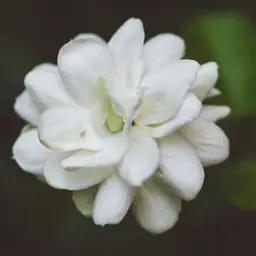
Jasmine-scented snuff
BeginnerA rich, floral jasmine snuff in the Indian style, made by adding jasmine oil to any plain snuff.
Lavender lift for a dried-out menthol
BeginnerOne or two drops of lavender oil can freshen a menthol snuff that has dried out and lost its scent.
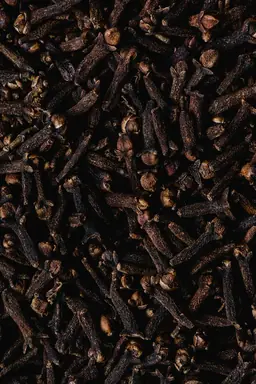
Warm masala spice snuff
BeginnerA warming spice mix of ginger, cardamom, cinnamon, clove and nutmeg to stir into a Scotch snuff, a little at a time.
Orange peel revival for dry, coarse snuff
BeginnerA quick way to bring a bone-dry coarse snuff back: let it sit on fresh orange peel, which adds moisture and a light orange scent in a couple of hours.
Orange-peel snuffbox
IntermediateA craft project: a small snuffbox made from cured orange peel. The oil left in the skin scents whatever snuff you keep inside.
Queen's Snuff (an 1850 recipe)
BeginnerA lavender, lemon and bergamot scent from The Druggist's General Receipt Book of 1850, scaled down to modern amounts.
Rose petal snuff, in the old Paris style
IntermediateA modern take on a historic coarse "gros grain" Paris snuff, which was scented with powdered rose. The amounts are an estimate, so treat it as an experiment.
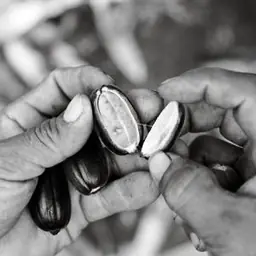
Scenting with a whole tonka bean
BeginnerThe easiest scent there is: drop one whole tonka bean into a jar of snuff and wait. No grinding, no oils.
Sherry-scented snuff
IntermediateA rich sherry snuff made with a concentrated natural sherry flavouring, the kind sold for baking and cake decorating.
Spice-bag scenting: pumpkin pie and orange spice
BeginnerSeal a dry, fine snuff in a jar with spices tied up in an empty teabag, so the snuff takes the scent while none of the spice gets into it.
Watermelon sweet snuff
BeginnerOne drop of watermelon flavouring turns a sweet snuff into a bright, candy-like fruit snuff.
Basic salt and soda snuff
BeginnerThe simplest from-scratch snuff, based on a traditional mill method: tobacco flour, water, salt and washing soda. A good first recipe.
Cigar snuff with dark rum
IntermediateAn old or damaged cigar made into snuff with the basic salt and soda method, then finished with a little dark rum.

Dry cigar snuff with wood ash
IntermediateA traditional alkaline method: cigar tobacco ground and mixed with fine, clean wood ash, which makes a strong snuff.
Fast three-day snuff ratios
IntermediateA set of starting ratios for a from-scratch snuff that's ready in about three days. Every figure is a share of the finished weight.
Fine, low-moisture Italian-style snuff
IntermediateA fine, fairly dry snuff in the style of the classic Italian snuffs, measured precisely to make 10 g.
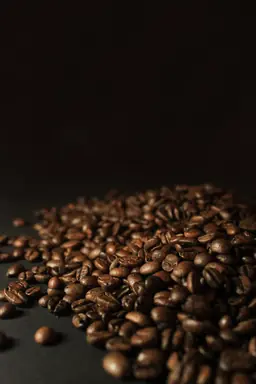
Rolling tobacco snuff with port or coffee
BeginnerAn easy route to homemade snuff from shop-bought rolling tobacco: dry it, grind it and moisten it with port, coffee or both.
Hand-ground Virginia leaf snuff
BeginnerA first batch from whole Virginia leaf, ground by hand. A 20 g batch takes about an hour, mostly grinding.
High-pH potash snuff
IntermediateAn experimental recipe for a strongly alkaline snuff, at about pH 10, which makes nicotine absorb faster. Treat it as untested.
Simple ground rustica
BeginnerA basic first snuff from rustica leaf, ground in a coffee grinder with a touch of bicarbonate. A starting point to improve on.
Light bicarbonate for Thuoc Lao leaf
BeginnerThuoc Lao leaf needs only a little bicarbonate when you grind it into snuff. Too much gives a harsh burn.
Moroccan-style nefha with wood ash
IntermediateA traditional Moroccan method for a fine, dry snuff: rustica tobacco ground together with wood ash and a little water.
Neffa-style snuff with wood ash
IntermediateA plain Scotch-style snuff made from rolling tobacco, with a little fine wood ash added to bring it closer to a North African neffa.
Perique snuff from additive-free cigarettes
IntermediateA small, unscented snuff made from Perique cigarette tobacco, which has a strong, dark, fruity character of its own.
Peterburg snuff (a 19th-century recipe)
AdvancedA recreation of a popular 19th-century Warsaw snuff, made from rustica tobacco with a lot of alkali, sweet clover and a touch of bergamot.
Plain snuff from rolling tobacco
BeginnerA clean, plain snuff made from a pouch of additive-free rolling tobacco. These amounts make 10 g of fine-to-medium, medium-moist snuff.
Quick coarse, moist plain snuff
BeginnerA fast, no-fuss coarse snuff that's ready as soon as it's mixed.
Rum and coffee house snuff
IntermediateA rich, dark homemade snuff moistened with espresso dissolved in rum. Rustica leaf makes the strongest base, but old cigars and rolling tobacco work well too.
Rustica strength booster
IntermediateA small stock of alkalised rustica powder you can blend, a little at a time, into a mild snuff to make it stronger.
Simple salted leaf snuff
BeginnerAbout the simplest snuff you can make: dried leaf ground with a little salt, then sifted.
Smoked salt plain snuff
IntermediateSwap ordinary salt for smoked salt in a plain snuff for a faint smoky, savoury note that's pleasant even in a fresh batch.
Starter neffa
BeginnerA small first batch of Moroccan-style neffa. Start at 4% sodium carbonate and adjust in later batches.
Virginia and Latakia smoky snuff
IntermediateLatakia on its own makes a harsh, one-note snuff. A spoonful in a Virginia gives a balanced, gently smoky snuff instead.
Spearmint and menthol rustica
IntermediateA moist, nefha-style rustica, scented with fresh spearmint before grinding and finished with a little menthol.

Parisian rappee (a historical recipe)
AdvancedA historical rappee recipe for 100 g of dark leaf, cured with a wine sauce and left to ferment before the soda goes in.
Brandy, sherry and honey rustica
IntermediateRustica leaf soaked in a brandy, sherry and honey mix, sun-dried and then ground. Very strong when fresh, softer with time.
Coarse Samsoun snuff with salmiak
IntermediateA small batch of coarse snuff from Oriental Samsoun leaf, with soda ash for strength and salmiak (ammonium chloride) for a lively ammonia note.
Warm-fermented fine-cut snuff
AdvancedSome fine-cut tobaccos taste odd when sniffed as they are. A short, warm ferment with a little potassium bicarbonate fixes that.
Four-leaf snuff fermented with toasted oak
AdvancedA from-scratch snuff blending four leaf tobaccos, moistened by soaked toasted oak cubes and warm-fermented overnight. Similar in style to a Kendal brown, with more depth.
Hannover snuff (an old German recipe)
AdvancedAn old German recipe, scented with yellow sweet clover and warm-fermented with salmiak and potash before the salt goes in.
Old-style Scotch snuff with potash and salmiak
AdvancedAn old Eastern European recipe for Scotch snuff made from tobacco stems and smalls. It makes a very strong snuff with a lively, ammonia-rich burn.
Brandy and honey rustica, aged warm
AdvancedA rustica blend flavoured with Spanish brandy and honey and kept warm while it changes, turning from pale and mild to dark and rich.
Steam-cured snuff from home-grown dark leaf
AdvancedA long project: home-grown dark tobacco, stalk-cured and aged, then steam-cured in the oven, ground and sun-dried to a rich, fluffy snuff.
Tonka bean fermented snuff
IntermediateA from-scratch snuff moistened with a tea made from tonka beans, warm-fermented, then salted. Rolling tobacco makes the base.
Wine-cured rappee (a 19th-century recipe)
AdvancedA 19th-century rappee cured with red wine. The amounts are for 100 g of coarse whole-leaf flour, ground with the midribs left in.
Woodruff fermented burley snuff
IntermediateA variation on the Hannover method, using burley leaf and a woodruff tea. Like sweet clover, woodruff gets its scent from coumarin.
Bergamot snuff from cigarillos
BeginnerA small bergamot snuff made from a handful of dried-out cigarillos.
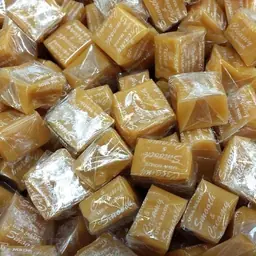
Butterscotch snuff
IntermediateA smooth, sweet butterscotch snuff on a homemade blend of burley, Virginia and Turkish leaf. Make a small test batch first.
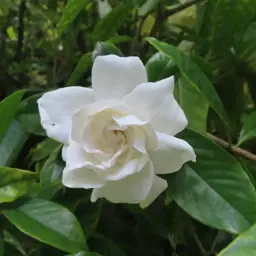
Gardenia-scented dark fire-cured snuff
IntermediateDark fire-cured Virginia, leaf and stem milled together, then scented with pure gardenia oil.
Moist tobacco ground into a clove or bergamot snuff
BeginnerA can of moist American-style long-cut tobacco, partly dried and ground very fine, makes a dark nasal snuff. Scent it with clove or bergamot.
Old Dutch bergamot, clove and lemon snuff
BeginnerAn old Dutch scented snuff recipe that perfumes tobacco you've already ground with three classic oils.
Rum and tonka homemade snuff
IntermediateA warm, sweet homemade snuff from additive-free rolling tobacco and a cigar, finished with rum infused with tonka bean.
Twice-brewed plain snuff with bergamot
IntermediateA two-stage method: the coarse part of the grind is boiled into a dark tobacco tea, and that tea moistens the fine part, which then brews in a sealed jar.
Snuff from a scented flake pipe tobacco
IntermediateA scented pipe flake, lightly toasted, milled and sifted, makes a rich, fluffy snuff with plenty of strength.
Plain home toast from burley leaf
BeginnerA one-ingredient snuff: toasted burley leaf, ground and sifted, with nothing added.
Rum-toasted Virginia and Perique snuff
IntermediateA mild, toasty snuff from additive-free Virginia and Perique cigarette tobacco, moistened with rum and baked to a deep brown. One cigarette gives about a gram.
Toasted Virginia gold snuff
IntermediateA toasted Virginia snuff measured by volume, made from ready-ground golden Virginia tobacco flour.
Making a mild snuff stronger with more alkali
IntermediateA fix for a homemade snuff that's too mild. A batch with about 3% alkali, such as slaked lime, gives only low to medium strength; a little more alkali raises it.
Spraying on washing soda
IntermediateAn even way to add sodium carbonate to home-ground tobacco: dissolve it, spray it on, then dry the flour gently.
Adding menthol to any plain snuff
IntermediateTwo ways to mentholate a snuff you already have: crystals left in the tin for a mild result, or crystals dissolved in alcohol for a stronger, even one.
Rescuing a gritty schmalzler
BeginnerHow to bring back a schmalzler that has dried out and gone gritty: break it up, add a touch of fat if needed, then moisten it slowly.
Blending snuffs through a sieve
BeginnerThe easiest way to blend two snuffs evenly. It also evens out a coarse grind and a fine one.
Drying, grinding and sieving tobacco
BeginnerThe basic steps behind almost every homemade snuff: dry the leaf, grind it to flour, sieve it and bring it back to moisture.
Oiling a snuff for an easier pinch
BeginnerA little fat or oil makes a fine, dry snuff much easier and gentler to take, especially a very dry white snuff.
One drop of water for easier pinches
BeginnerA single drop of water makes a fine, dusty snuff much easier to pinch, without coughing or watering eyes.
Four ways to rehydrate a dried-out snuff
BeginnerFour simple ways to bring back a snuff that has dried out in storage. Three work overnight; drops of water work straight away.
Rehydrating dried snuff by weight
BeginnerPut back exactly the water a snuff has lost: weigh it, work out what has gone, and add that much.
Indirect scenting with peel, herbs or coffee beans
BeginnerA no-contact method: the scent sits in the same sealed container as the snuff but never touches it.
Scenting snuff with oil on cotton
BeginnerTobacco picks up smells easily, so you can scent it with very little oil, or with no oil in the snuff at all, by sealing it in with oil on cotton.
Scenting snuff with essential oils
IntermediateHow to add essential oils, and menthol if you like, to a plain snuff by thinning them first in food-grade ethanol, with the maximum amounts manufacturers use.
Scenting with food extract or peel
BeginnerTwo easy ways to add flavour: a few drops of food-grade extract mixed straight in, or fresh peel left in with the snuff.
Fermenting, darkening and toasting
AdvancedA guide to the three heat treatments that change a snuff's colour and flavour.
Flower-layered snuff (1785 method)
BeginnerThe gentlest old way to scent snuff: lay it between fresh jasmine, orange blossom or rose petals and let it take on their scent over a few days.
Clove rosebuds for scenting snuff (1785)
BeginnerRosebuds studded with cloves and left to mature in the sun, then tucked into a tin to give snuff a warm rose and clove scent.
Snuff washed in rose or orange-flower water (1785)
IntermediateOld Dutch makers washed coarse snuff to calm its harshness, then steeped it in rosewater, orange-flower water or fennel water so it would take a scent well.

Naples snuff (1785)
IntermediateA rare Neapolitan-style snuff from the 1785 Dutch handbook: plain snuff moistened with wine, finished with a trace of musk loosened in brandy.
Old Dutch tonka snuff (1785)
BeginnerThe 1785 handbook mentions a "tonkje" snuff scented with tonka beans. This is the simplest way to make it: let the beans scent the snuff in a closed tin.
Pongibon snuff (1785)
IntermediatePongibon was one of the great perfumed snuffs of the 1700s: yellow tobacco scented with orange blossom and a dark, animal note.
Spanish musk snuff (1785)
IntermediateA flower-scented snuff deepened with musk and a touch of civet, made "the Spanish way" according to the 1785 Dutch handbook.
Roman snuff (1785)
AdvancedThe richest of the old perfumed snuffs: rose or orange-blossom snuff built up in three stages with amber, musk and civet.
Maltese and amber snuffs (1785)
IntermediateTwo closely related 1785 recipes: amber snuff, made by working warm amber into any flower-scented snuff, and Maltese snuff, which adds a touch of civet to orange-blossom snuff.
German bergamot snuff (1871)
IntermediateA fragrant German trade snuff: bergamot and lemon over a sauce of orris, orange peel, rosewood and elderflower.
Bärenburg snuff (1871)
BeginnerA sweet, floral German snuff with jasmine and bergamot in a syrupy rosewater sauce.
Bon-Bon snuff (1871)
IntermediateA sweet, resinous "ladies' snuff" from the 1871 handbook: vanilla, tonka, benzoin and sandalwood with citrus and lavender.
Spaniol snuff (1871)
IntermediateA spiced, floral Spanish-style snuff with cinnamon, cloves and lavender over citron and bergamot.
Brazil snuff with a vinegar sauce (1871)
IntermediateThe old way to deepen a strong, dark snuff: a sharp wine-vinegar and syrup sauce that brings out the tobacco's own wild smell.
Cusco snuff (1871)
AdvancedA rich floral snuff steeped in Rhine wine with orange blossom, rose, saffron, mace and cubeb.
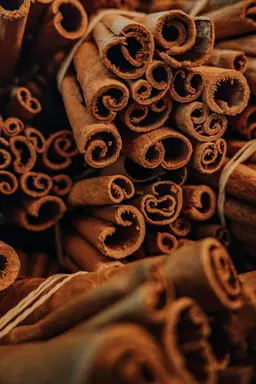
Duchesse snuff (1871)
BeginnerA light, fairly coarse snuff with a sweet white sauce, cassia and almond.
Seville snuff, German style (1871)
IntermediateThe German take on Seville or "Espaniol" snuff: rosewater, cinnamon-cassia water, sweet clover and tonka.
Frankfurt snuff (1871)
IntermediateA dark, fruity German snuff sauced with juniper, liquorice, carob, tamarind and orange peel.
Hanover snuff with saffron and orange (1871)
BeginnerA simple, golden German snuff: a light sauce of bitter orange peel and saffron.
Dutch fruit snuff (1871)
IntermediateA dark Dutch-style snuff sauced with prunes, raisins, dried pear, juniper, honey and a little tea.
Palatinate Dutch snuff (1871)
IntermediateA bright Dutch-style snuff with green bitter orange, juniper and galangal, finished with honey, Rhine wine and a dash of vinegar.
Jasmine snuff (1871)
BeginnerA simple floral snuff: jasmine oil rubbed into a small part of the snuff first, then mixed through the rest.
Limburg herb snuff (1871)
IntermediateA herbal, floral snuff: marjoram, basil and lavender with rose, nutmeg and a little cubeb.
Rose Macouba snuff (1871)
IntermediateA sweet, rose-scented Macouba made in two stages: a fruity tamarind, raisin and wine sauce, then a rose and lavender finish.
Côtes de Manoques (1871)
IntermediateThe old French "ribs" snuff, made from ground tobacco stems and sauced with red wine, tamarind, sandalwood and balsam.
Marino snuff (1871)
IntermediateA fine, yellow, fragrant snuff: lemon and rum-steeped vanilla, with an orange-blossom and lavender version too.
Tabac de mille fleurs (1871)
Intermediate"Thousand flowers" snuff: a perfumer's blend of orange blossom, lavender, bergamot, cinnamon, clove and thyme.
Mississippi snuff (1871)
BeginnerA dark, sweet snuff sauced with liquorice, rosewater and elderflower.
Paris and Amsterdam naturel (1871)
BeginnerThe plain "naturel" snuffs of Paris, Amsterdam and Rotterdam: coarse tobacco moistened with a little wine and salt, with no added scent.
Neurode plum snuff (1871)
BeginnerA simple German country snuff sauced with plum butter, orris and rosewater.
Tabac d'Oranges (1871)
IntermediateA fine orange snuff: a sauce of coriander, juniper, cubeb, green bitter orange and honey, finished with orange peel and orange oil.
St. Omer snuff (1871)
IntermediateA classic French-style snuff with a fruity sauce of tamarind and red wine, scented with vanilla and cinnamon.
St. Vincent almond snuff (1871)
IntermediateA little-known 1871 method: snuff soaked in a milky almond and rosewater sauce with nutmeg.
No recipes match. Try clearing a filter.