
Ingredients
- 50 g plain, unscented snuff
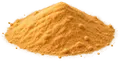
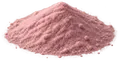
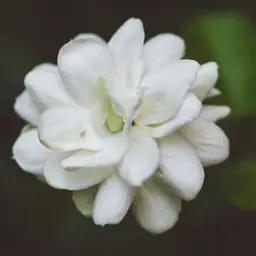
- A good handful of fresh, unsprayed jasmine flowers, orange blossom or rose petals each day for 4 to 5 days
- Baking paper
Equipment
Method
- Take a wide box or tin with a lid and line the bottom with dry baking paper.
- Prick several sheets of baking paper all over with a pin so scent can pass through.
- Spread a layer of snuff about 1 cm deep, cover it with a pricked sheet, then lay a layer of flowers on top and cover them with another pricked sheet.
- Repeat the layers until the snuff and flowers are used up, finishing with paper. The paper keeps the petals off the snuff.
- Close the box and leave it for 24 hours, or 12 hours if you have plenty of flowers.
- Lift out the old flowers, put in fresh ones the same way, and repeat for 4 to 5 days.
- Sieve the snuff to remove any stray petal bits and store it in a closed tin.
Tasting notes
A soft, natural floral scent that sits lightly on the tobacco. It fades sooner than oil scents, so make small batches.
Notes
Adapted from the Dutch tobacconist's handbook Nieuwe en naauwkeurige verhandeling van den tabak (Amsterdam, 1785), chapter 33 and 34, which is in the public domain. Quantities are scaled down from the original, which worked by the pound.
Scents in this recipe
Comments
Loading comments…
More like this

Spanish musk snuff (1785)
IntermediateA flower-scented snuff deepened with musk and a touch of civet, made "the Spanish way" according to the 1785 Dutch handbook.
Cusco snuff (1871)
AdvancedA rich floral snuff steeped in Rhine wine with orange blossom, rose, saffron, mace and cubeb.
Roman snuff (1785)
AdvancedThe richest of the old perfumed snuffs: rose or orange-blossom snuff built up in three stages with amber, musk and civet.
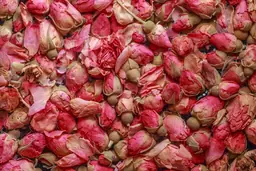
Clove rosebuds for scenting snuff (1785)
BeginnerRosebuds studded with cloves and left to mature in the sun, then tucked into a tin to give snuff a warm rose and clove scent.
Updated